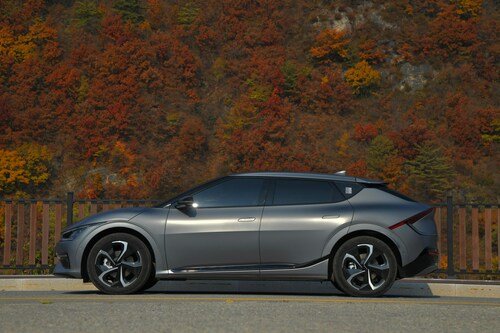
Introduction to Car Depreciation
Car depreciation refers to the reduction in a vehicle’s value over time, primarily due to wear and tear, age, and market dynamics. It is a natural part of vehicle ownership that significantly impacts financial considerations for car buyers and owners alike. Understanding the dynamics of car depreciation is crucial as it affects both the resale value of the vehicle and the overall cost of ownership.
For many buyers, particularly those who choose to finance their vehicles, car depreciation can lead to negative equity if the car’s value decreases faster than the loan balance. This phenomenon creates a situation where the owner owes more on the car than it is worth, potentially complicating future trade-ins or sales. Additionally, depreciation significantly influences how much money one can expect to recoup upon selling or trading in their vehicle, making it an important aspect to consider during the purchasing process.
Different factors contribute to how quickly a car depreciates. These can include the make and model of the vehicle, its mileage, maintenance history, condition, and even external market trends. For instance, luxury vehicles may depreciate at a different rate compared to economy cars, and models with a reputation for reliability typically retain their value better. Seasonal fluctuations and changing preferences in the automotive market can also accelerate the depreciation of certain vehicles, impacting resale value more dramatically.
In conclusion, comprehending car depreciation is essential for anyone considering the purchase of a vehicle. By factoring in depreciation rates, potential owners can make more informed decisions that not only align with their budgetary constraints but also influence the long-term ownership experience.
Key Factors Influencing Car Depreciation
Car depreciation is a significant concern for car owners, particularly for those looking to strike a balance between affordability and value retention. Several key factors notably influence how quickly a vehicle loses its value. One of the most critical elements is brand reputation. Vehicles manufactured by established brands with a strong track record for reliability and quality often depreciate at a slower rate. Conversely, cars from less reputable manufacturers may see a swift decline in their market value as buyers tend to be wary of reliability issues.
Another important factor is the type of vehicle. Typically, SUVs and trucks tend to hold their value better than sedans due to their increasing popularity and versatility. Conversely, compact cars often see sharper depreciation rates as consumer preferences shift towards larger, more functional vehicles. Market demand plays a pivotal role in determining vehicle value; a high demand for specific vehicle types can stave off depreciation, while an oversupply of similar models can lead to rapid declines.
Mileage is another critical factor; vehicles with higher mileage generally depreciate faster than those with lower miles, as higher usage generally correlates with greater wear and tear. The overall condition of the car also contributes significantly; well-maintained vehicles with complete service histories tend to retain their value better over time compared to those that have been neglected.
Lastly, different market segments display varied depreciation rates. Luxury cars, for instance, often experience dramatic drops in value shortly after purchase, while economy vehicles may exhibit more gradual depreciation. Understanding these factors can aid potential buyers in making informed decisions about their purchases to mitigate loss in value over time.
Impact of Economic Conditions on Depreciation
The depreciation of automobiles is influenced by numerous factors, particularly economic conditions. Economic downturns can significantly affect consumer spending habits and purchasing power, leading to decreased demand for certain vehicle types. When economic instability arises, consumers may prioritize essential expenditures over luxury items, including cars. This reduction in demand can lead to a faster depreciation of vehicles, particularly for models that are considered discretionary purchases.
Fuel prices also play a critical role in the depreciation of vehicles. Fluctuations in fuel costs can directly impact consumer preferences for different types of cars. For example, during periods of rising fuel prices, consumers may shift their focus towards fuel-efficient vehicles, resulting in declining interest for larger, less efficient models. Consequently, the resale value of the latter may diminish more rapidly than others due to the changing landscape of consumer preferences related to fuel cost efficiency.
Additionally, market trends influenced by external forces can accelerate car depreciation. The introduction of new vehicle models equipped with cutting-edge technology can diminish the appeal of older models. As consumers gravitate towards the latest offerings, the value of previously approved vehicles can fall steeply. This is particularly evident in regions where economic conditions favor ownership of newer, trendier vehicles, prompting a faster rate of depreciation for outgoing models.
In summary, the interplay between economic conditions, fuel prices, and market trends creates a dynamic environment that significantly affects vehicle depreciation. Understanding these factors is essential for consumers and automotive professionals alike, as they navigate the complexities of vehicle value over time.
Tips for Minimizing Depreciation When Buying a Car
When purchasing a vehicle, it is essential to consider several factors that influence its long-term value. One effective strategy is to conduct thorough research before making a decision. Understanding market trends based on make, model, and year can help identify vehicles that are likely to retain their worth over time. Utilize online platforms, car valuation tools, and industry reports to gather data that can guide your selection process.
Another critical aspect that directly impacts depreciation is the maintenance of the vehicle. A well-maintained car not only runs better but is also perceived as a more reliable option among buyers. Regular servicing, adhering to manufacturer guidelines, and maintaining a detailed service history can significantly enhance a vehicle’s resale value. Investing in preventive care and addressing minor issues promptly can lead to a more favorable outcome when it’s time to sell or trade in the car.
Additionally, consider options like purchasing certified pre-owned vehicles. These cars often come with robust warranties and are rigorously inspected, making them a safer choice. Certified pre-owned vehicles tend to have lower depreciation rates compared to their brand-new counterparts, as they already account for initial depreciation. This choice can provide significant financial advantages while ensuring you acquire a quality vehicle.
Lastly, factors like brand reputation, fuel efficiency, and resale trends should not be overlooked. Brands that consistently receive positive reviews and have a solid history of reliability tend to retain their value better. Ultimately, making informed decisions based on extensive research, adherence to maintenance protocols, and selecting certified options can mitigate the impact of depreciation on your vehicle investment.